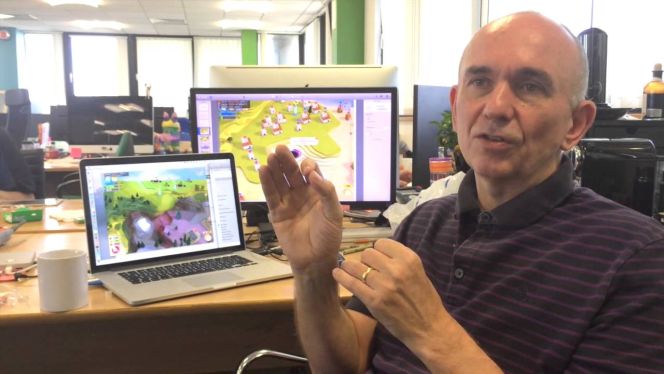
Peter Molyneux didn’t just sell games—he sold dreams. For years, the British game designer rode high on the success of genre-defining titles like Populous, Black & White, and Fable. But behind the curtain of charismatic keynotes and visionary trailers, a different story unfolded: one of broken promises, broken trust, and broken bank accounts. When Molyneux launched Godus through Kickstarter in 2012, he wasn’t just pitching a god game—he was selling a legacy. And hundreds of backers, including notable investors and developers, lost real money waiting for it to materialize.
The Kickstarter Dream That Turned Into a Nightmare
Godus launched on Kickstarter with a modest goal of £45,000. It raised over £500,000—more than ten times its target. Backers were promised a revolutionary god game where players could shape entire worlds, guide civilizations, and experience emergent storytelling. Molyneux described it as “the future of gaming,” with persistent worlds, player-driven evolution, and deep AI.
But what backers received was a bare-bones, pixelated prototype that barely resembled the vision. Over the next decade, Godus limped through early access with minimal updates. The promised multiplayer, world persistence, and complex AI never arrived. The game’s Steam release in 2019 was met with “Mostly Negative” reviews. By then, many early supporters had already written off their investment—not just financially, but emotionally.
Who Lost Money—and Why They Believed
The people who lost money weren’t just casual gamers tossing $20 into a campaign. Many were industry insiders, small investors, and developers who placed faith in Molyneux’s legacy. Here are the key players burned by the Godus fallout:
1. Early-Stage Investors in 22cans
Molyneux founded 22cans in 2012, shortly after leaving Lionhead Studios. To fund Godus and future projects, he sought private investment. Reports suggest several angel investors and tech entrepreneurs poured six-figure sums into the studio, betting on Molyneux’s reputation. One London-based venture capitalist, who wished to remain anonymous, told Eurogamer in 2016: “We invested because Peter had a track record. But we didn’t account for his tendency to over-sell. The deliverables never matched the roadmap.”
2. Kickstarter Backers
with High-Tier Pledges
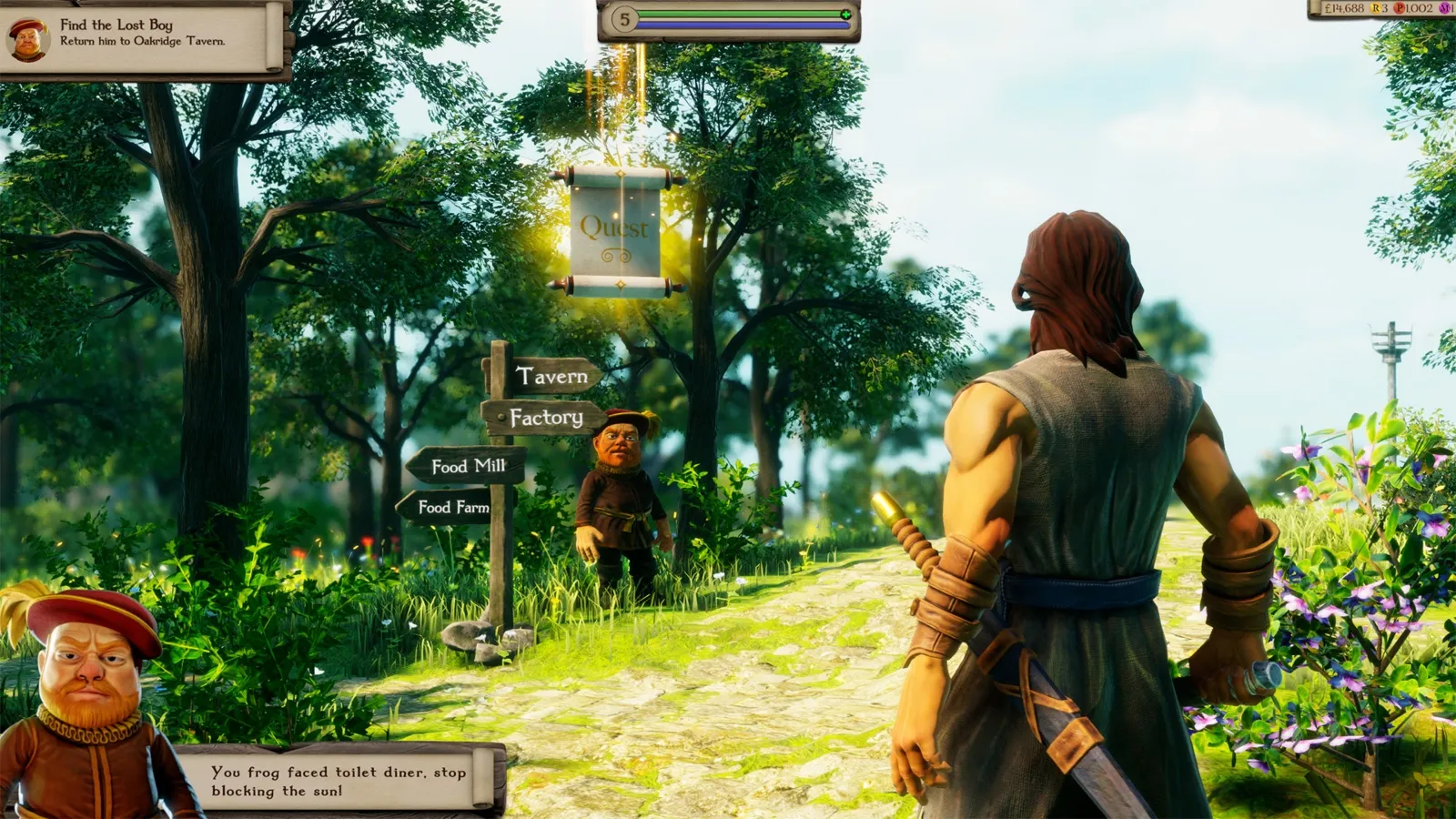
The most visible losses came from backers who pledged $250 or more. These tiers promised exclusive benefits: name in credits, private development updates, even a “Godus coin” minted from earth taken from Molyneux’s garden. Over 500 people paid at this level, collectively contributing more than £200,000. But most never received physical rewards. The coins? Never made. The updates? Sporadic and vague. One backer, a game designer from Vancouver, filed a complaint with the UK’s Trading Standards, calling the campaign “misleading advertising.”
3. Former Lionhead Developers Who Joined 22cans
Several ex-Lionhead staff left stable jobs to join 22cans, believing in Molyneux’s next big thing. But as Godus stalled, salaries went unpaid, team morale collapsed, and key developers left. One former 22cans programmer, speaking anonymously, said: “I took a pay cut to work on Godus because I thought it would change gaming. Instead, I spent two years debugging a prototype that should’ve been finished in six months.”
4. Indie Publishers Who Signed Distribution Deals
A minor but telling loss involved a now-defunct indie publisher that signed a regional distribution deal for Godus’ post-launch content. The agreement included an upfront fee for exclusive rights in Asia. The content never launched. The publisher, based in Singapore, lost over $30,000 and eventually shut down, citing unreleased titles as a key factor.
The Pattern: Overpromising as a Career Strategy
Molyneux’s problem wasn’t just Godus—it was a lifelong habit of overhyping. At Lionhead, Fable was marketed as a dynamic morality simulator where every choice mattered. In reality, the impact was shallow. Black & White promised AI creatures that would learn from player behavior. They mostly followed basic scripts.
This pattern followed him to 22cans. In interviews, Molyneux admitted he “falls in love with ideas too early” and shares them before they’re feasible. But for investors and backers, intent doesn’t pay bills. The Godus saga exposed a dangerous gap between vision and execution—one that cost real money and damaged reputations.
One journalist at PC Gamer summed it up: “Molyneux doesn’t lie. He just believes in magic. And when the magic doesn’t happen, everyone who bought the ticket gets left in the dark.”
Crowdfunding’s Blind Spot: Charisma Over Accountability
Godus wasn’t just a failed game—it was a case study in crowdfunding’s risks. Platforms like Kickstarter thrive on emotion, storytelling, and trust in creators. But they lack enforceable delivery standards. Molyneux’s name carried weight, and that weight opened wallets.
Backers assumed that a veteran designer with 30 years of experience wouldn’t—or couldn’t—mislead them. But Kickstarter isn’t a contract. It’s a donation with perks. And when updates slow, promises fade, and communication dries up, there’s no legal recourse.
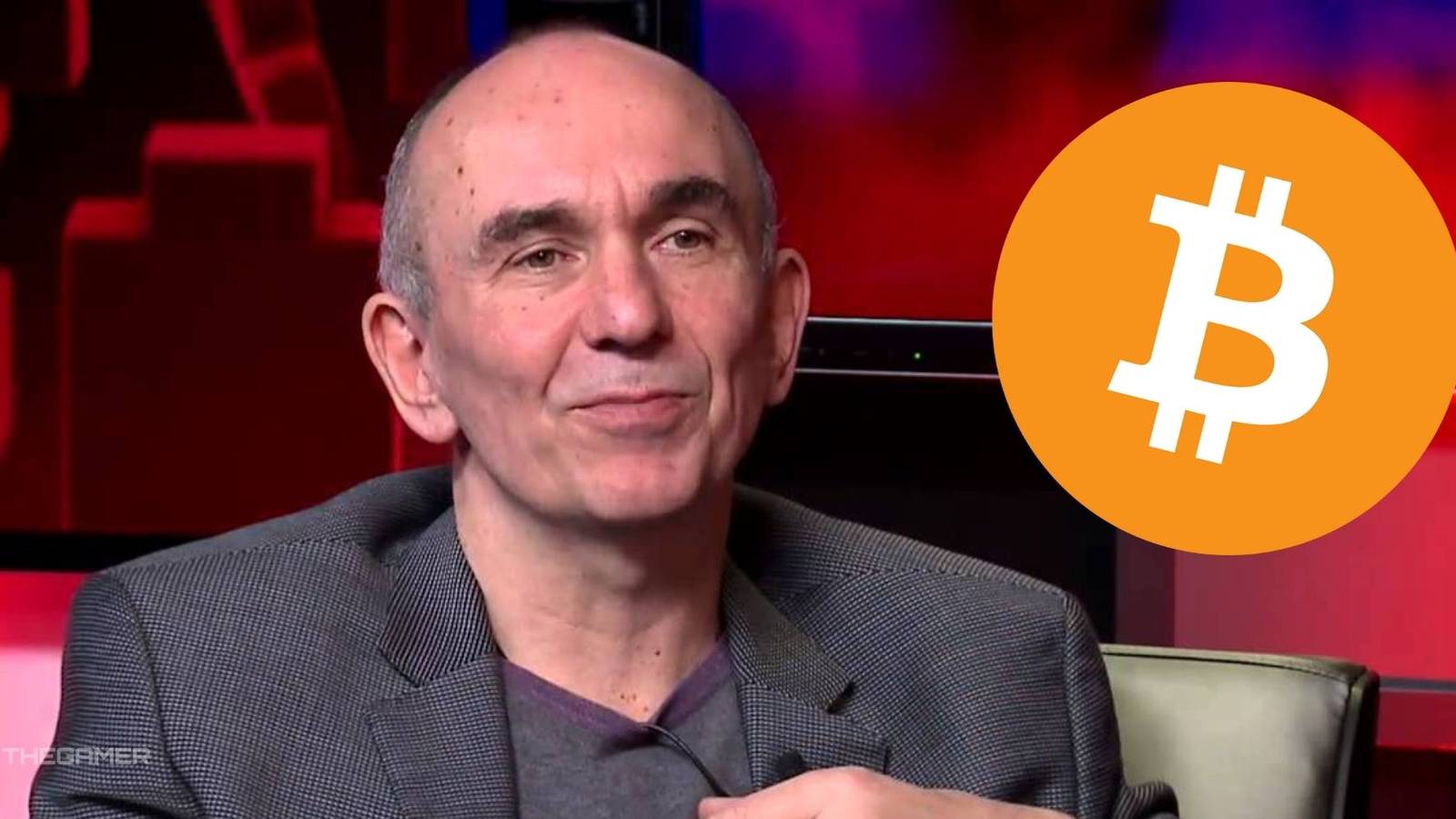
A 2017 analysis by Kotaku found that Godus’ post-campaign updates dropped from monthly to yearly by 2015. By 2018, Molyneux had stopped posting personally. The official Twitter account went silent. Backers were left speculating whether the project was dead.
Why Some Still Defend Molyneux
Despite the backlash, Molyneux retains a loyal following. Some argue that his ideas—while unrealized—are still valuable. Game designers like Peter Whalen (Hearthstone) have called him “a visionary who inspires innovation, even when he fails.” Others point out that Godus did eventually release a playable product, however limited.
There’s also the argument that Molyneux took a risk. In 2012, leaving a major studio to crowdfund an unproven concept was bold. Not every startup succeeds. But the difference here is scale: Molyneux wasn’t selling a minimum viable product. He was selling a revolution.
And for those who lost thousands, the “it was a risk” defense rings hollow.
The Real Cost: Beyond Money
The financial losses from Godus are quantifiable—roughly £500,000 from Kickstarter, plus private investments and opportunity costs from developers. But the deeper cost was trust.
For indie developers watching the fallout, Godus became a cautionary tale. It made publishers wary of big-name crowdfunders. It made backers more skeptical. And it damaged the reputation of a man once considered gaming’s mad genius.
One backer, a teacher from Manchester, wrote in a 2020 Reddit post: “I didn’t care about the $30. I cared that someone I admired made me feel stupid for believing in him.”
Lessons from the Legacy That Never Was
The Godus collapse offers hard lessons for creators, backers, and investors:
- For Creators: Share your vision, but ground it in reality. Overpromising may boost funding, but it kills credibility.
- For Backers: Treat high-profile campaigns with skepticism. Research team history, delivery timelines, and past projects.
- For Investors: Reputation isn’t a business plan. Even legends can fail.
- For Platforms: Crowdfunding needs better accountability—milestone verification, progress audits, or escrow systems.
The gaming world needs visionaries. But it also needs deliverables.
Rebuilding Trust in a Post-Godus World
In recent years, Molyneux has taken a quieter role. 22cans shifted focus to smaller experiments, like The Trail, a mobile walking simulator. It’s a far cry from shaping civilizations—but it shipped. It worked. And it didn’t promise the moon.
Some see this as humility. Others as retreat. But for the players who lost money, time, and faith, the silence is louder than any keynote.
Molyneux once said, “I want to make games that change people’s lives.” He succeeded in changing lives—just not the way he meant. For the backers who trusted him, the lesson was clear: in gaming, as in life, not every god delivers.
FAQ
Did Peter Molyneux return any money to backers? No. Despite mounting pressure, Molyneux and 22cans never issued refunds. The company maintained that the game was delivered in evolving form through early access.
Is Godus still being updated? As of 2023, Godus receives no meaningful updates. The last major patch was in 2019. The community remains small and unsupported.
How much did Godus actually cost to develop? Exact figures are undisclosed, but with over £500,000 from Kickstarter and additional private investment, total funding likely exceeded £1 million.
Did any legal action succeed against 22cans? No class-action lawsuits succeeded. Individual complaints to UK consumer agencies were filed but resulted in no formal penalties.
What happened to 22cans? The studio still exists but operates quietly, focusing on small-scale experimental games. It no longer seeks crowdfunding.
Why did backers believe Molyneux’s promises? His track record with Populous and Fable, combined with polished trailers and passionate pitches, created immense credibility—despite a history of overpromising.
Could a game like Godus ever be made today? Technically, yes—but the scope of AI-driven, persistent worlds remains extremely challenging. No studio has fully delivered on that vision at scale.
FAQ
What should you look for in Meet the Players Who Lost Big on Peter Molyneux’s Broken Promises? Focus on relevance, practical value, and how well the solution matches real user intent.
Is Meet the Players Who Lost Big on Peter Molyneux’s Broken Promises suitable for beginners? That depends on the workflow, but a clear step-by-step approach usually makes it easier to start.
How do you compare options around Meet the Players Who Lost Big on Peter Molyneux’s Broken Promises? Compare features, trust signals, limitations, pricing, and ease of implementation.
What mistakes should you avoid? Avoid generic choices, weak validation, and decisions based only on marketing claims.
What is the next best step? Shortlist the most relevant options, validate them quickly, and refine from real-world results.