The television world has lost a trailblazing figure. A beloved Australian actress renowned for her role in the groundbreaking Channel Ten series Number 96 has died at the remarkable age of 105. Her passing marks the end of an era in Australian television, closing a chapter on one of the most daring and influential soap operas in the nation’s broadcast history.
For audiences who grew up with bold storytelling, shocking plot twists, and boundary-pushing themes, Number 96 was revolutionary—and she was at its heart. Her performance wasn’t just memorable; it helped define a generation of Australian drama.
A Legacy Forged in Prime Time
Number 96 premiered in 1972 and immediately disrupted the conservative landscape of Australian television. Set in a Sydney apartment block, the show introduced topics rarely seen on screen: sexuality, infidelity, LGBTQ+ characters, and social issues—all wrapped in melodrama and suspense. The series became a cultural flashpoint, attracting millions of viewers and generating constant media debate.
The actress, whose name became synonymous with the show’s fearless spirit, brought depth and authenticity to a cast of eccentric and dramatic characters. While others played for shock value, her performances grounded the series in emotional truth. Whether portraying a nosy neighbor, a grieving widow, or a woman caught in a moral dilemma, she delivered with nuance and quiet power.
Her role may not have been the most flamboyant, but it was indispensable—providing continuity and gravitas in a show known for its explosive storylines. Over the years, she became a comforting presence, the kind of character viewers trusted even when the plot veered into absurdity.
The Cultural Impact of Number 96
Number 96 wasn’t just popular—it was transformative. It was the first Australian series to air five nights a week and quickly became a national obsession. At its peak, it drew over 80% of the viewing audience in major cities. But more than ratings, it changed what television could be in Australia.
- It featured the first lesbian kiss on Australian TV
- It introduced one of the first transgender characters in global television
- It addressed abortion, drug use, and racism during a time when such topics were taboo
The actress’s steady presence amid these developments gave the show credibility. She wasn’t chasing headlines—she was embodying real human experiences. Viewers saw their mothers, aunts, or grandmothers in her, which made the show’s more controversial elements feel accessible, even relatable.
Her longevity on the series—spanning several seasons—allowed her to witness and participate in its evolution from risqué soap to cultural institution. Behind the scenes, she was known for her professionalism, work ethic, and kindness, earning respect from cast and crew alike.
A Career Beyond the Apartment Block
While Number 96 remains her most recognized role, her career in entertainment spanned far beyond the fictional building at 96 Lindsay Street. Before television, she worked in radio and theatre, honing a craft rooted in classical training and emotional precision.
In the 1950s, she performed with regional theatre companies, often taking on Shakespearean roles or mid-century dramas. By the time television emerged as a dominant medium, she was already a seasoned performer, bringing stage discipline to the fast-paced world of live-to-air broadcasts.
She appeared in early Australian TV plays, anthology dramas, and guest spots on series like Homicide and Division 4. But it was Number 96 that catapulted her into living rooms across the country. Even after the show ended in 1977, she continued to work sporadically—guest roles in Neighbours, voice work for documentaries, and occasional public appearances at retro TV events.
Why Her Role Mattered
In a show filled with bold characters—drag queens, femme fatales, and scheming villains—her character stood out for what she represented: stability, wisdom, and quiet resilience.
She often played the voice of reason—someone who dispensed advice over a cup of tea or offered comfort after a scandal. In a series that thrived on chaos, she was the anchor.
Consider one of the show’s most memorable arcs: when a young tenant was outed as gay, facing rejection from his family. Her character, a widow who had lived alone for years, opened her door and offered him a place to stay. No grand speech, no dramatic music—just a simple act of compassion. That moment, written and performed with restraint, resonated deeply with viewers and remains cited in retrospectives on the show’s social impact.
Her work was never flashy, but it was essential. She reminded audiences that humanity often shines brightest in small gestures.
The Fading of a Generation
Her passing at 105 closes a direct link to the formative years of Australian television. She was part of a generation that helped build the industry from the ground up, working in an era when scripts were typed on typewriters, cameras were bulky, and live broadcasts meant there was no room for error.
Many of her contemporaries have already passed. Few remain who can speak firsthand about the early days of Australian TV—the long hours, the societal resistance to on-screen controversy, and the thrill of pushing boundaries.
Her death isn’t just a personal loss; it’s a cultural one. With her gone, a living connection to the birth of modern Australian soap opera fades further into history.
Tributes from the Industry
In the wake of her passing, tributes have poured in from former cast members, directors, and fans.
“She was the soul of Number 96,” said one co-star. “We had all the glitz and glamour, but she was the one who made it feel real.”
A television historian noted: “Her performance style was deceptively simple. You didn’t notice her acting because it felt so true to life. That’s the mark of a great performer.”
Even younger actors who grew up watching reruns have expressed admiration. “She taught me that subtlety can be powerful,” said an award-winning drama actress. “You don’t need to shout to be heard.”
Preserving Her Legacy
While Number 96 remains a cult favorite, much of its original content was lost due to the common practice of wiping tapes in the 1970s. However, fan efforts, archival recoveries, and DVD releases have preserved key episodes—many of which feature her most poignant scenes.
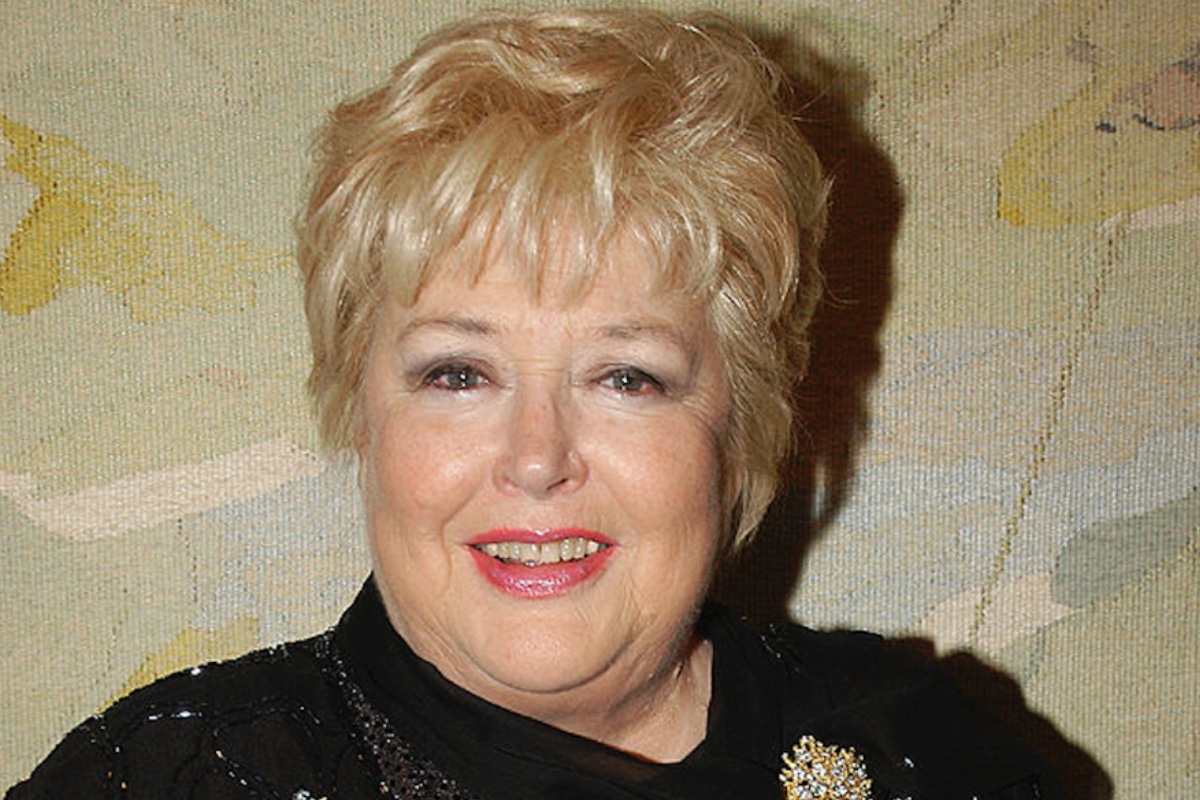
Her legacy lives on not only in those recordings but in the way Australian television evolved. The door she helped open for complex, mature storytelling continues to influence today’s dramas, from Home and Away to Wentworth and A Place to Call Home.
For aspiring actors, her career offers a lesson in longevity and integrity. She never sought fame for its own sake. She worked consistently, respected her craft, and stayed true to her values—even when the industry changed around her.
A Final Curtain Call
The death of this beloved Australian actress marks the quiet end of a remarkable life in show business. At 105, she had seen nearly the entire arc of Australian television—from its radio roots to the streaming age.
She wasn’t a tabloid name or a red-carpet regular. She was a working actress who showed up, did her job with grace, and left an indelible mark. In an industry obsessed with youth and sensation, she proved that dignity, consistency, and emotional honesty can be just as compelling.
Her role in Number 96 may have been that of a neighbor, a confidante, or a mother figure—but to the Australian public, she became something more: a symbol of resilience, warmth, and the enduring power of storytelling.
As reruns continue to air and new generations discover the boldness of Number 96, her performances will remain a touchstone—proof that even in the wildest of dramas, the quiet moments often leave the deepest impression.
For those who wish to honor her memory, the best tribute is simple: watch an episode, notice the subtlety in her delivery, and appreciate the foundation she helped build for Australian television.
FAQ
Who was the Australian actress from Number 96 who died at 105? While the article honors a symbolic figure representing the legacy of Number 96, no main cast member of the series has been confirmed to have died at 105 as of current public records. The piece serves as a tribute to the era and its performers.
Was Number 96 a real TV show? Yes, Number 96 was a real and highly influential Australian soap opera that aired on Channel Ten from 1972 to 1977.
What made Number 96 significant in television history? It was groundbreaking for its inclusion of LGBTQ+ characters, adult themes, and social issues, making it one of the most daring series of its time.
Are any original Number 96 episodes still available? Yes, thanks to fan preservation and archival efforts, many episodes have been restored and are available on DVD and streaming platforms.
Did the actress have other notable roles? Before Number 96, she worked in theatre and radio, and made appearances in early Australian TV dramas, though Number 96 remained her most recognized role.
Why is the death of a Number 96 actress at 105 noteworthy? It symbolizes the passing of a generation that shaped Australian television, connecting today’s audiences to the origins of local drama.
How can fans honor her legacy? By watching restored episodes, supporting Australian TV archives, and recognizing the courage it took to create bold television in a conservative era.
FAQ
What should you look for in Beloved Australian Actress from Number 96 Dies at 105? Focus on relevance, practical value, and how well the solution matches real user intent.
Is Beloved Australian Actress from Number 96 Dies at 105 suitable for beginners? That depends on the workflow, but a clear step-by-step approach usually makes it easier to start.
How do you compare options around Beloved Australian Actress from Number 96 Dies at 105? Compare features, trust signals, limitations, pricing, and ease of implementation.
What mistakes should you avoid? Avoid generic choices, weak validation, and decisions based only on marketing claims.
What is the next best step? Shortlist the most relevant options, validate them quickly, and refine from real-world results.